






Knife Handle Materials Compared: Wood, Stag, Micarta
Which handle material fits a hunting, camp or kitchen knife, how each wears and what it needs. A plain comparison of the materials we use, and two we do not sell.
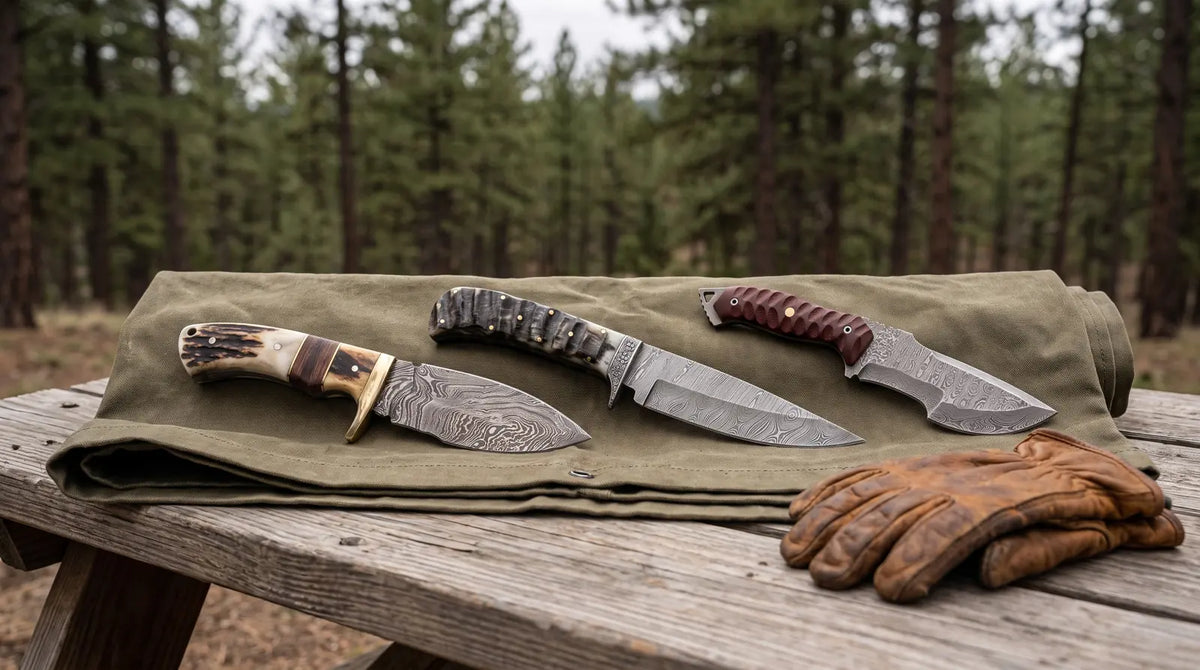
The best knife handle material depends on the job. For a hunting or camp knife, grip when wet and toughness matter most, so Micarta, G10 or stag suit best. For a kitchen knife, comfort and easy cleaning count. For a gift, look and story count. Wood, bone and horn are the classic choices.
What is the best knife handle material?
No single knife handle material is best for every knife. Match the material to where the knife lives: in a wet field, in a kitchen drawer or on a shelf.
- Hunting and skinning: Micarta, G10 or stag, because water and grease make a smooth handle slick.
- Camp and bushcraft: wood, Micarta or G10, which take rough use and need little care.
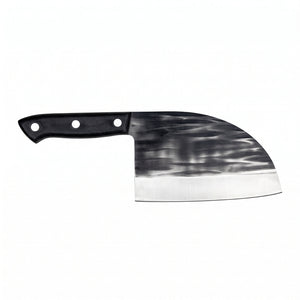
- Kitchen: pakkawood, Micarta, G10 or a dense hardwood such as rosewood, which are easy to wipe clean.
- Gifts and display: stag, bone, horn or figured wood, because the pattern of each piece is different.
How do knife handle materials compare?
This table compares the handle materials on our knives with two we do not sell. It describes each material in general terms, from common knife-making practice, and it is not a lab measurement. Our own handle materials come from each product record, checked on October 11, 2026.
| Material | Natural or synthetic | Grip when wet | Toughness | Care | Best for |
|---|---|---|---|---|---|
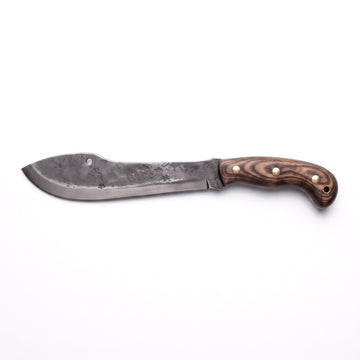
| Wood (rosewood, walnut, olive wood) | Natural | Good when oiled | Good, can crack if soaked and dried hard | Wipe dry, occasional oil or wax | Kitchen, camp, gifts |
| Pakkawood, stabilized wood | Wood and resin | Good | High | Wipe dry | Kitchen, hunting |
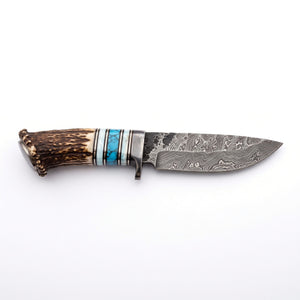
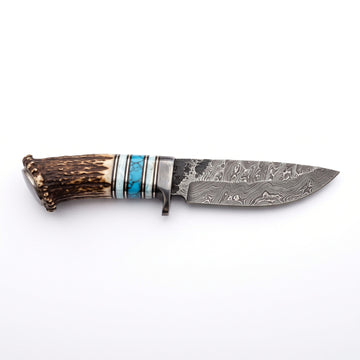
| Stag (antler) | Natural | Good, textured surface | High, can crack with sudden heat | Keep away from heat and long soaking | Hunting, display |
| Bone, camel bone | Natural | Fair, smoother | Good, can crack with long soaking | Wipe dry, avoid soaking | Pocket knives, gifts |
| Horn (buffalo, sheep, ram) | Natural | Fair to good | Good, dries out with heat | Wipe dry, occasional oil or wax | Hunting, display |
| Micarta | Synthetic (cloth in resin) | Very good | Very high | Little | Hunting, camp |
| G10 | Synthetic (glass cloth in resin) | Good | Very high | Little | Hunting, camp, pocket |
| Resin | Synthetic | Fair to good | Good | Little | Kitchen, gifts |
| Titanium | Metal | We do not sell it | We do not sell it | We do not sell it | We do not sell it |
| Carbon fiber | Synthetic | We do not sell it | We do not sell it | We do not sell it | We do not sell it |
Which wood is best for a knife handle?
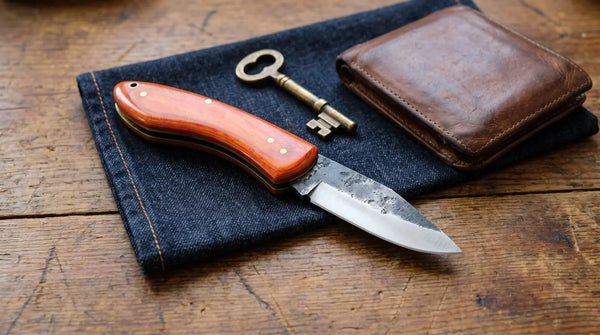
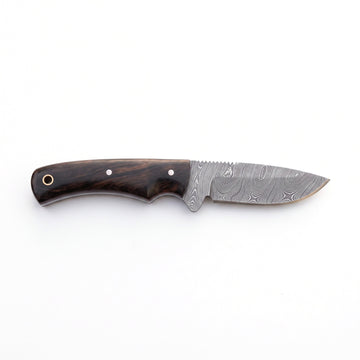
Dense, close-grained hardwood makes the best wood knife handle, and rosewood, walnut and olive wood are the woods we use most. Rosewood is dense and takes a polish. Walnut is a little lighter and warm in the hand. Olive wood has a swirled grain that differs on every handle.
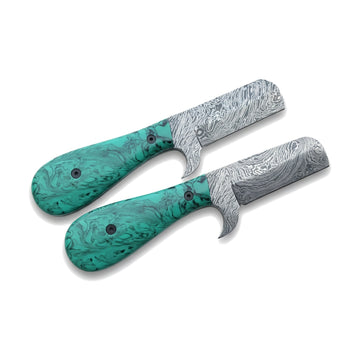
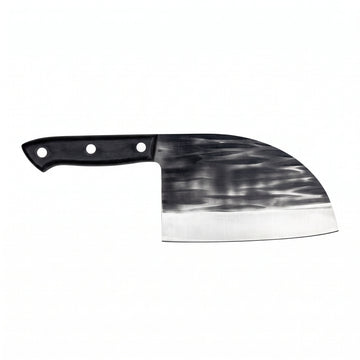
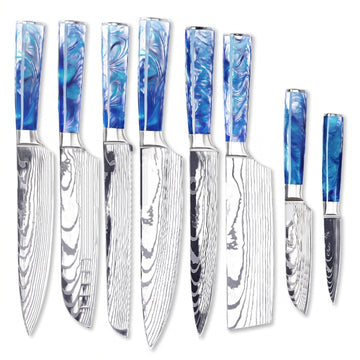
Pakkawood is wood laminated with resin, and stabilized wood is wood soaked in resin under pressure. Both resist water and swelling far better than bare wood, which is why they appear on kitchen knives and on bright blue, green and purple hunting handles. Bare wood needs a wipe after use and an occasional coat of oil or wax. Wood handles cannot be engraved, although the blade and the sheath can be.
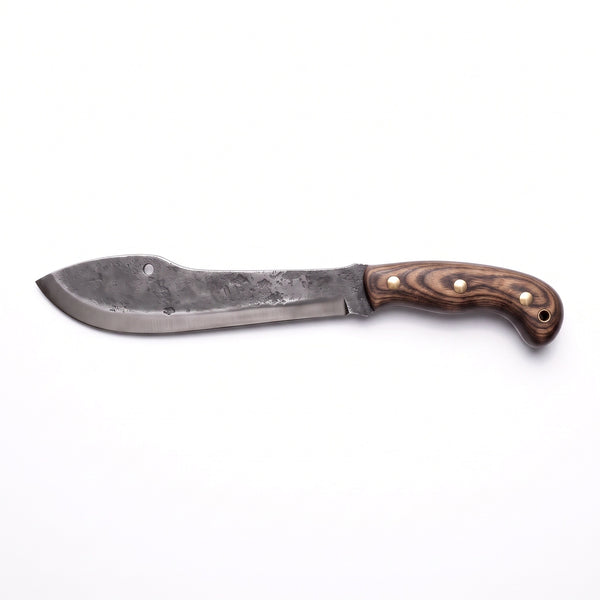
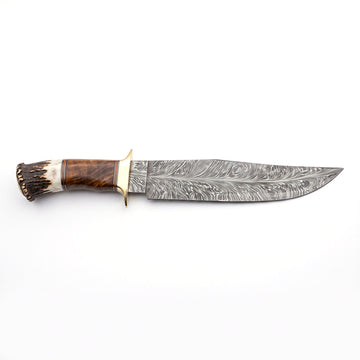
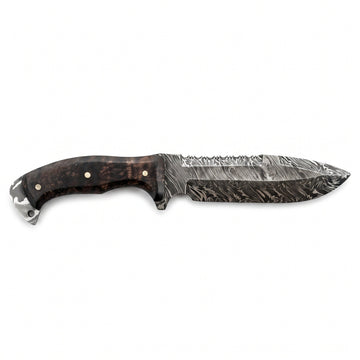
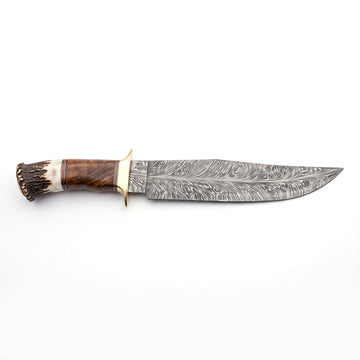
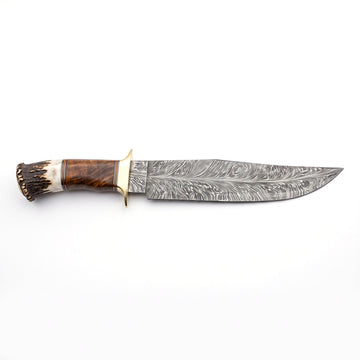
You can see the full range in our wood handle knives. One example is the Highline 12" Damascus Bowie Knife | Walnut, with a 6.5 inch blade.
What are stag, bone and horn handles?
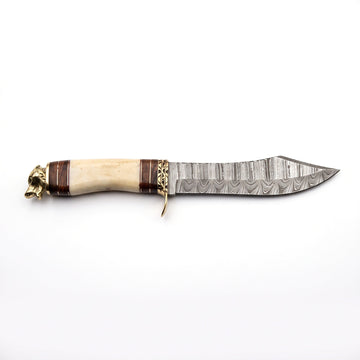
Stag is deer antler, bone is cut from the bone of an animal such as a camel, and horn is the hard outer sheath that grows over a skull core on buffalo, sheep and rams. Antler and bone are mineral-rich and dense, while horn is a keratin material like a fingernail.
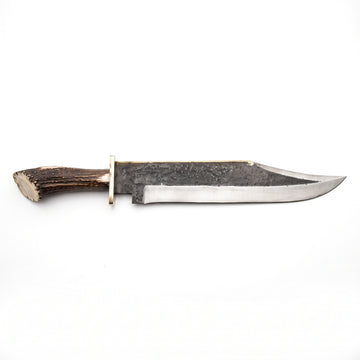
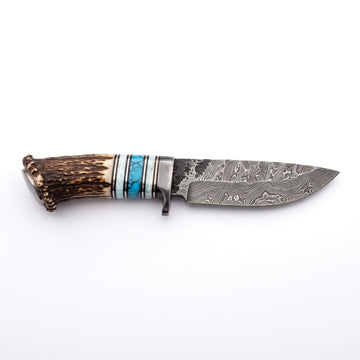
Stag has a textured, grippy surface that stays secure in wet hands, and no two pieces look alike. Bone is smoother and takes dye well. Horn polishes to a glossy, sometimes translucent finish. All three are natural and share one limit: sudden heat or a long soak can crack stag and bone, and heat dries out horn. Wipe them dry and keep them off a radiator or a hot car dashboard.

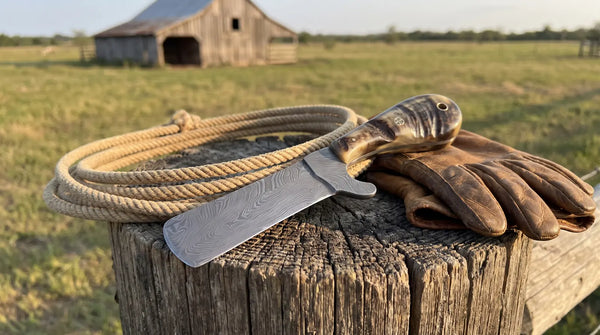
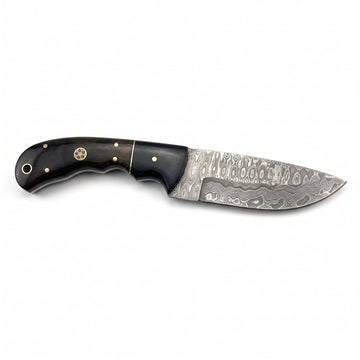
Browse them in the stag handle knives, bone handle knives and horn handle knives collections. The Ridgeback 9.25" Damascus Hunting Knife | Ram Horn has a 4.25 inch blade, and the Trailhead 7.5" Damascus Skinning Knife | Bone has a 3.5 inch blade.

Is G10 or Micarta better, and does water ruin Micarta?
Neither G10 nor Micarta is better; they suit different hands. G10 is made of glass cloth pressed in epoxy resin, and Micarta is made of linen or canvas pressed in resin. G10 is smooth and uniform, and makers often machine a texture into it. Micarta feels warmer in the hand, and linen grades keep a fine fabric texture.
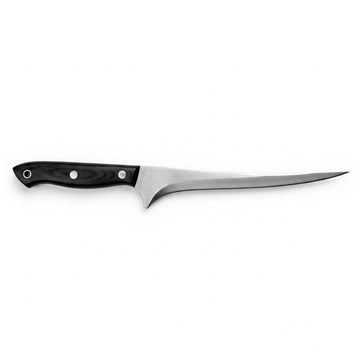
Water does not ruin Micarta. The resin seals the cloth, so the handle does not swell, rot or warp in the rain. G10 behaves the same way. Both survive water, grease and cold, which is why they suit a hunting knife. Resin handles, cast without cloth, take colour well and need little care.
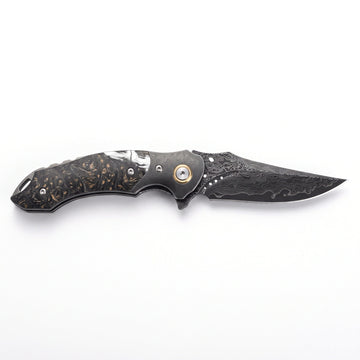
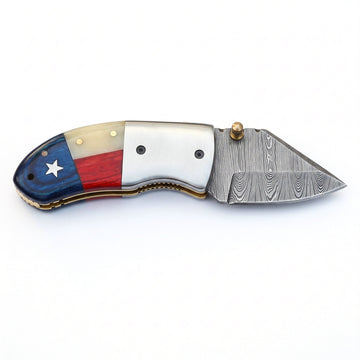
Our Timber 8.5" Damascus Tracker Knife | Micarta has a 4.5 inch blade, and the Creek 8.5" Carbon Steel Pocket Knife | G10 is a folder with a 4 inch blade.

Which handle suits which knife, and how do you care for it?
Pick the handle for the job first and the look second. Then keep the care simple, because most handle damage comes from heat and long soaking.
- Hunting or skinning knife: Micarta, G10 or stag. Rinse it, then wipe it dry.
- Kitchen knife: pakkawood, Micarta or rosewood. Wash by hand, dry at once, no dishwasher.
- Pocket knife: G10, bone or stag. Wipe the handle dry before you close it.
- Gift: stag, bone, horn or figured wood. These are natural materials, so each piece is different.
Blades and sheaths can be engraved on any of our knives for the fee shown on the product page. Stag, bone, horn and synthetic handles may be engravable where the product page offers it. The care guide covers the steel, and the guide to what makes a good hunting knife covers the rest of the choice. You can also compare Damascus hunting knives by handle.