

Carbon Steel vs Stainless Steel Knives: How to Choose
A working comparison for cooks, campers and hunters: what each steel is, how it sharpens and ages, and which one fits the job you have in mind.
In a carbon steel vs stainless steel knife choice, carbon steel sharpens easily and takes a keen edge but rusts if left wet, while stainless steel resists rust and needs less care. Edge holding and toughness depend on the grade and the heat treatment more than the label. Choose by how you will look after the knife.
What makes a steel stainless?
Stainless steel is steel with at least about 10.5 percent chromium by mass. The chromium reacts with oxygen and forms a thin, clear film of chromium oxide on the surface. That film shields the iron underneath from water and air, and it re-forms by itself when a scratch breaks it.
That also answers how stainless steel differs from steel in general. Steel is any alloy of iron and carbon. Stainless steel is steel with enough chromium to build the film. Stainless does not mean stainproof: salt, bleach and a blade left wet in a closed sheath can still spot or pit it, only more slowly than they would a carbon steel blade.
What is carbon steel, and what is high-carbon stainless?
Carbon steel is iron and carbon with little else added beyond trace elements such as manganese. It has no chromium to speak of, so nothing protects the surface, and the blade rusts if it is left wet. "High-carbon" usually means roughly 0.6 percent carbon or more. In 1095, one of the two steels in our Damascus, the 95 in the name is the carbon content: about 0.95 percent. More carbon lets steel harden further in heat treatment, which is why knife makers reach for the upper end of the range. 1095 and 15N20 steel are covered in their own guide.
High-carbon stainless is a stainless steel that also carries enough carbon to harden as a blade. The 440 series is the usual example: 440C holds about 1 percent carbon and 16 to 18 percent chromium. The category is real, but the phrase is also printed on boxes, so look for the grade name. A knife sold as "stainless" with no grade given tells you very little.
Which sharpens better, carbon steel or stainless steel?
Sharpness comes mostly from edge geometry and the hands doing the sharpening, so a well-sharpened blade of either kind slices paper. What differs is how the steel responds on the stone.
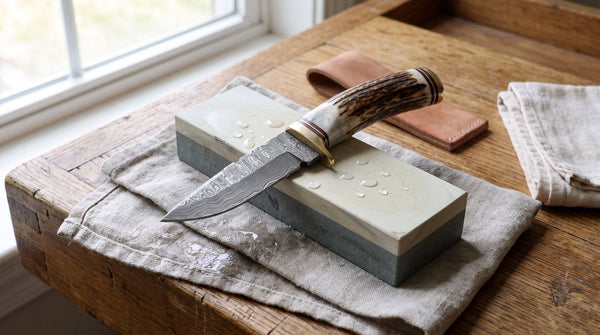
Plain carbon steels such as 1095 sharpen quickly. They cut cleanly on a stone, raise a burr that is easy to feel and remove, and come back to a fine edge with little work. Stainless grades vary more. Softer stainless sharpens without trouble, while grades full of hard chromium or vanadium carbides resist the stone, take longer and often call for a diamond plate. Most of our knives are listed as hand sharpened, and the steps for bringing an edge back are in how to sharpen a knife.
How do rust, patina and care compare?
Rust is the main trade-off with carbon steel, and it is the reason many people choose stainless. The table shows how our carbon steel, Damascus and J2 stainless knives behave. The full routine, steel by steel, is in our care guide.
| Steel | Rust | Patina | After every use | Dishwasher |
|---|---|---|---|---|
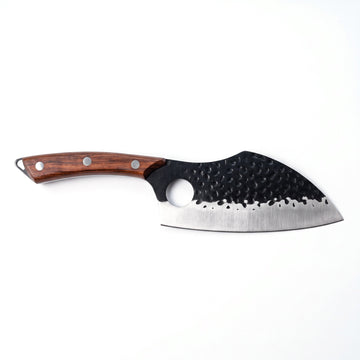
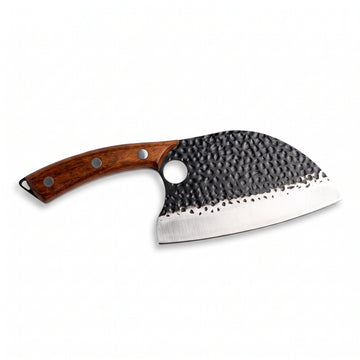
| Forged carbon steel (satin or forge-scale finish) | Rusts if left wet | Darkens to a gray patina with use, which is normal | Rinse, dry completely, wipe on a thin coat of oil | Never |
| Pattern-welded Damascus (1095 and 15N20) | Rusts if left wet | Darkens the blade a little and softens the contrast between layers | Dry and oil; no steel wool or metal polish | Never |
| J2 stainless steel (satin finish) | Rarely rusts | Little to none | Wash and dry by hand | Never |
Patina and rust are different things. Patina is gray to black, smooth and even to the touch. It is a stable oxide layer that forms where the steel meets onion, citrus, tomato, meat and blood, and it protects the steel from red rust rather than harming it. Rust is orange or red-brown, sits on the surface and feels rough. Light rust comes off with oil and a soft cloth. Rust that has pitted the steel does not.
Grade and heat treatment decide edge holding and toughness
Edge holding is how long an edge stays sharp against wear. Toughness is how well a blade resists chipping and breaking. The two pull against each other through hardness: a harder blade keeps a thin edge longer but chips more easily, and a softer blade rolls its edge instead of chipping it. Heat treatment, the hardening and tempering after forging, sets where a steel lands on that scale, so the same grade can come out soft or hard.
Both labels cover a wide spread. Some stainless grades are loaded with hard carbides and resist wear, and others are soft. A simple carbon steel heat treated well can outlast a stainless blade heat treated badly, and the reverse is just as true. So we do not claim that one label always holds an edge longer. We record the steel, the finish and the edge type for each knife, and no hardness or edge-holding figures, so we make no such claim about ours either.
Which steel suits hunting, camp and the kitchen?
Neither steel wins every job. What decides it is how wet the knife will get and whether you will wipe it down afterward.
Hunting knives
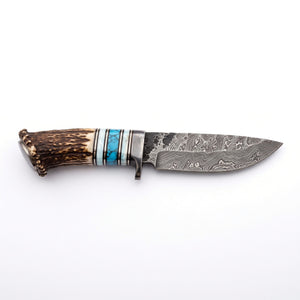
A hunting knife meets blood, water and cold, and it often goes back in its sheath damp at the end of a long day. Stainless steel forgives that. A carbon steel or Damascus hunting knife does the same work if you wipe the blade dry that evening, add a thin coat of oil and take it out of the sheath, because leather holds damp against the steel. The Ridgeback 12" Satin Steel Hunting Knife is J2 stainless steel with a satin finish. The knives in our Damascus Hunting Knives collection are Damascus, so they take carbon steel care. For blade shapes, read our guide to knives for skinning a deer.

Camp knives
A camp knife sees wood, food, dew and smoke. Carbon steel handles all of it and sharpens fast at the end of the day, as long as it gets an evening wipe. If you already know you will skip the wipe on a cold morning, take stainless.
Kitchen knives
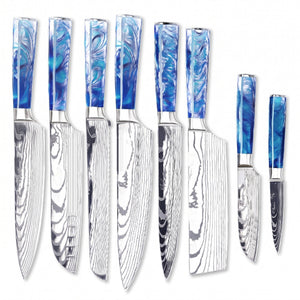
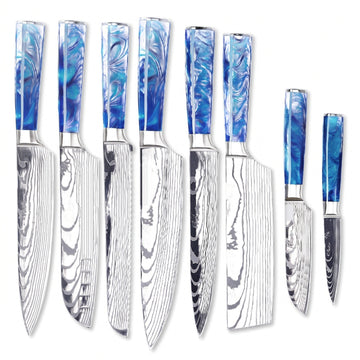
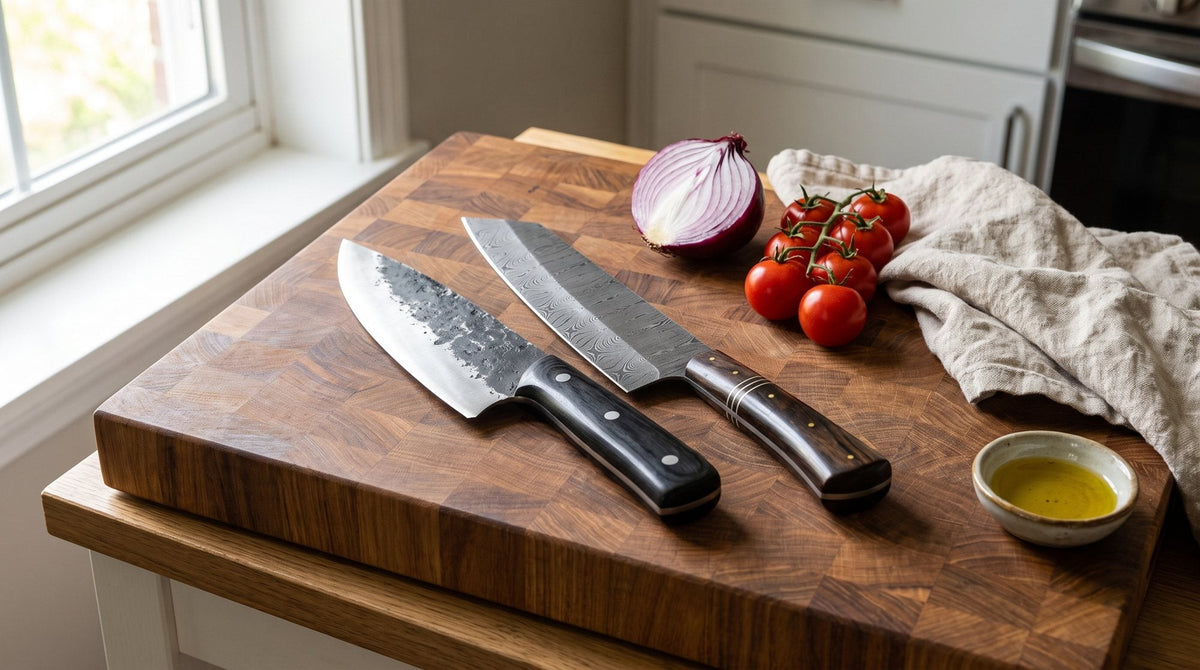
Cooks use both kinds of steel. Japanese white and blue paper steels and traditional French carbon steel chef knives are carbon steels that working cooks have used for decades, and stainless is common in busy shared kitchens where many hands wash the knives. At home, carbon steel suits you if you dry the blade between jobs and accept that onion, citrus and tomato will darken it to a gray patina. Choose stainless if several people use the knife or it goes straight into the sink. Our 7.5" Carbon Steel Chef Knife sits in Carbon & Satin Steel Knives, and the Damascus Chef Knives collection holds the patterned version.

Where does Damascus fit between carbon and stainless?
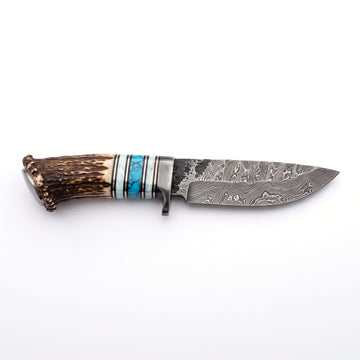
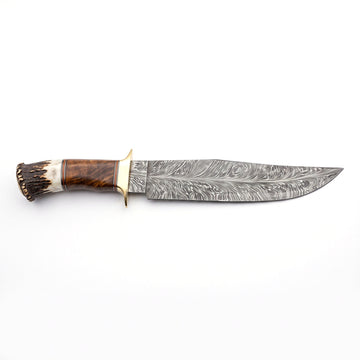
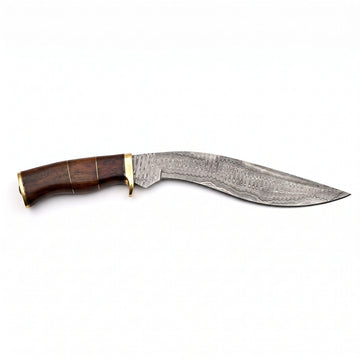
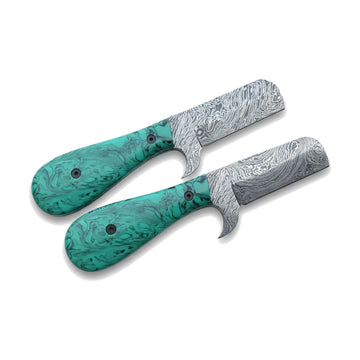
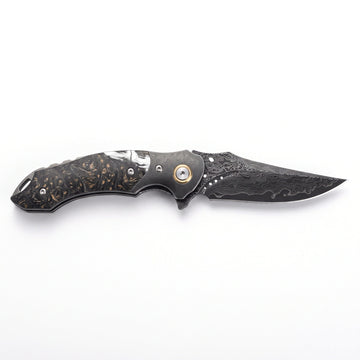
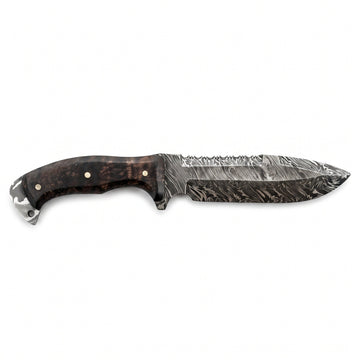
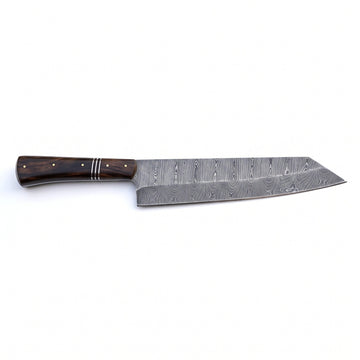
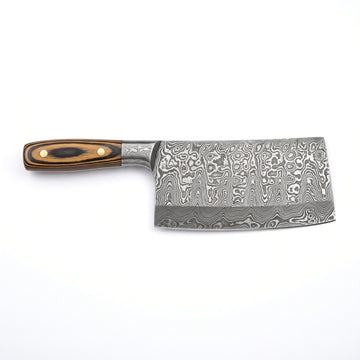
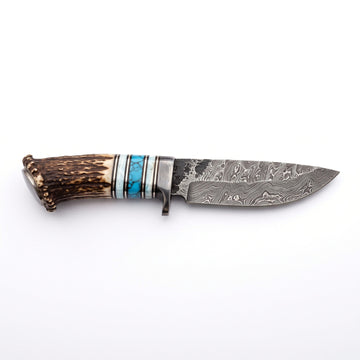
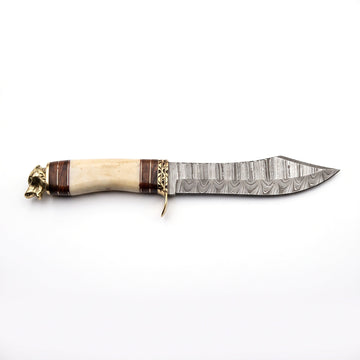
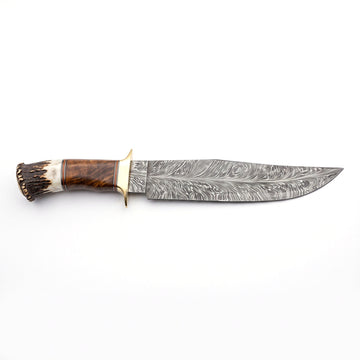
Damascus is a pattern, not a third kind of steel. A Damascus blade is made of two or more steels forge welded together, then shaped and etched so the layers show. Those steels can be carbon, stainless or a mix. Ours is two carbon steels, 1095 and 15N20, so our Damascus behaves as carbon steel: it rusts if left wet, darkens with use and wants the same dry-and-oil routine. The pattern appears because the etch attacks the two steels differently. 15N20 carries nickel and etches bright, and 1095 etches dark.
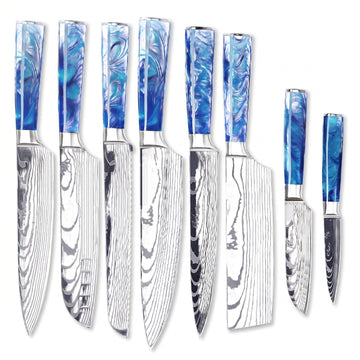
Stainless Damascus exists, and ours is not stainless. Our page on real vs fake Damascus shows what to look for, and what is Damascus steel covers how the pattern is made. The Damascus Knife Sets collection has the same steels in kitchen sets.

What are the downsides of carbon steel and of stainless steel?
Carbon steel rusts if left wet, changes color with use and asks for two minutes of care after every use. A knife forgotten in a damp sheath can pit, and pitting does not wipe off. Acidic food darkens the blade, which some cooks like and others do not.
Stainless steel gives up some ease of sharpening in the grades full of hard carbides, and a stainless blade run soft dulls sooner than a carbon blade run hard. It is not stainproof either. A knife that names no grade is hard to judge before you buy.
Every product page names its steel, so you can check before you choose. The Carbon & Satin Steel Knives collection holds forged carbon steel knives and our J2 stainless knives side by side.